

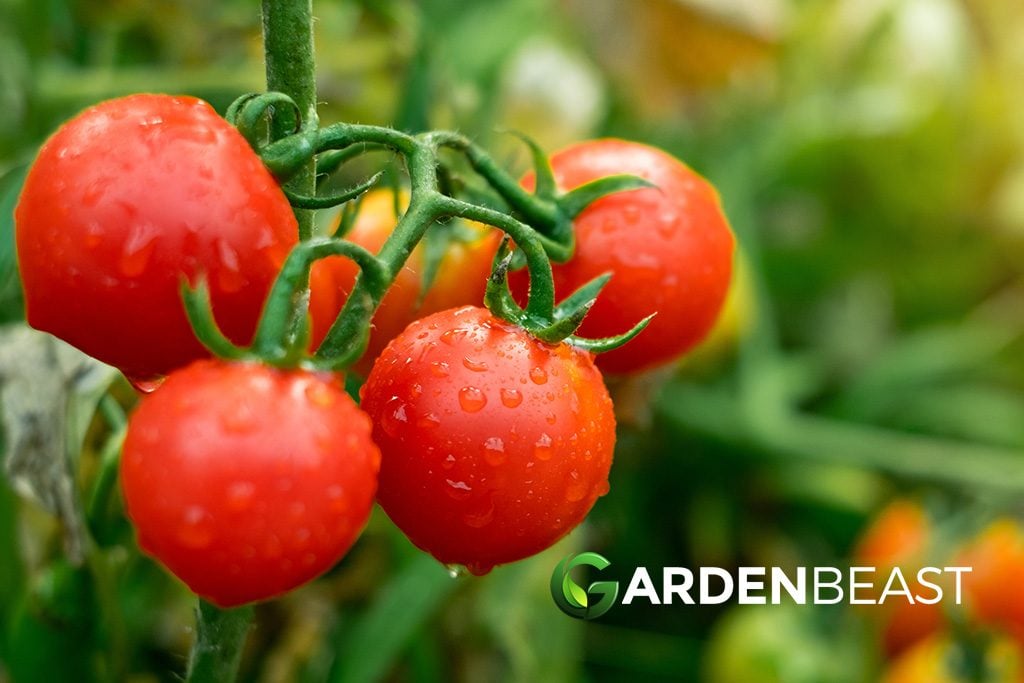
Tomatoes arrived in Europe in 1522, brought home by sailors visiting the new world. Initially, the elite was afraid to add tomatoes to their diet, believing the fruit to be poisonous. However, tomatoes became wildly popular in the peasant communities. It wasn’t long until Europeans from all classes of society developed a passion for the ripe red fruits.
The Germans called tomatoes “The Apple of Paradise,” and the French gave the fruit the moniker of “The Apple of Love.”
Today, tomatoes are a staple in many people’s diets, and the use of the juicy fruit is a cornerstone of Italian cooking.
It’s easy to grow tomatoes in your vegetable garden. This hardy plant can produce you a bumper crop of tomatoes in a variety of weather conditions.
However, tomatoes are predisposed to infection with disease and destruction by pests. Therefore, you’ll need to follow the tips in this guide to ensure you get the biggest harvest possible out of your tomato plants.
Tomatoes – Vegetable or Fruit?
Did you know that tomatoes are technically a fruit and not a vegetable? However, when we make a batch of marinara sauce or slice some tomatoes for a salad, it takes on the role of a vegetable more than it does fruit.
Since the use of tomatoes is more prevalent in cooking than with raw diets, we think of it as more of a vegetable than a fruit. Labels are a dime a dozen, and does it really matter what classification you put it under?
Recommended Tomato Varieties
Tomatoes come in numerous varieties, with some of the most popular being Roma, beefsteak, cherry, and currant. Here are a few of the most popular garden-variety tomatoes to grow this season.
- Early cascade – 60-days to harvest.
- Early girl – produces several crops throughout the summer.
- Floramerica – 70-days to harvest, produces a healthy plant with massive fruit.
- Fantastic – Produces high yields and a fleshy fruit that’s crack-resistant.
- Brandywine – A beefsteak variety with a sweet flavor.
- Cherry Tomatoes – These fruits are popular for salads, with ‘Matt’s Wild Cherry’ being one of the most sought-after varieties for tomato gardeners. The plants produce bright-red fruits, and they are easy to grow in any climate. This variety is resistant to drought conditions and produces large yields.
- Sun gold – This is another cherry variety that produces large yields and sweet fruits.
Planting Your Tomato Crop
For those gardeners growing tomatoes from seed, you’ll need to start your seeds 6-weeks in advance of the spring. Tomatoes do best when the last of the frosts finish, and the ground begins to thaw. You can plant tomatoes anywhere in the continental United States, but the fruits prefer a moderate to a slightly warmer climate.

- TOMATO ESSENTIAL SEED VARIETY PACK: Harvest the best with this essential tomato pack! From juicy Beefsteak to tangy Black Krim and sweet Pineapple, these 5 favorites are perfect for slicing, sauces, and summer garden delights.
- 5 INDIVIDUAL SEED PACKETS: Roma Tomato, Beefsteak Tomato, Matt's Wild Cherry Tomato, Black Krim Tomato, Pineapple Tomato
- THE FRESHEST SEEDS - 2025 SEASON: Elevate your gardening game with our freshest seeds, ensuring high germination rates. Make gardening a joy, where success sprouts effortlessly and blooms into a kaleidoscope of colors.
- PREMIUM GIFTABLE PACKAGING: Unwrap gardening delight with our premium seed packaging. Tailored for optimal storage, complete with planting instructions and a reusable zipper – a thoughtful gift for any nature-loving enthusiast.
- GUARANTEED TO GROW: Plant with confidence! We stand by our seeds. If they don't germinate, we'll refund you within 30 days, no questions asked. Sweet Yards guarantees a worry-free and flourishing garden.


- TOMATO GARDENER SEED VARIETY PACK: A vibrant collection of 9 heirloom tomatoes! From the fruity Kellog Beefsteak to the sweet Yellow Pear, this pack brings color, flavor, and garden fun to your plate. Perfect for slicing, sauces, or snacking. Grow a rainbow of tomatoes!
- 9 INDIVIDUAL SEED PACKETS: Kellog Beefsteak Tomato, Black Krim Tomato, Matt's Wild Cherry Tomato, Pink Brandywine Tomato, Roma Tomato, Pineapple Tomato, Yellow Pear Tomato, Cherokee Purple Tomato, Flame Tomato
- THE FRESHEST SEEDS - 2025 SEASON: Elevate your gardening game with our freshest seeds, ensuring high germination rates. Make gardening a joy, where success sprouts effortlessly and blooms into a kaleidoscope of colors.
- PREMIUM GIFTABLE PACKAGING: Unwrap gardening delight with our premium seed packaging. Tailored for optimal storage, complete with planting instructions and a reusable zipper – a thoughtful gift for any nature-loving enthusiast.
- GUARANTEED TO GROW: Plant with confidence! We stand by our seeds. If they don't germinate, we'll refund you within 30 days, no questions asked. Sweet Yards guarantees a worry-free and flourishing garden.

- Allium Cepa: These finest quality, non-GMO, USDA Organic Beefsteak Tomato seeds produce classic slicing tomatoes—big, sweet, juicy, and full of flavor—perfect for picnics, barbecue's, and home cooking all year round.
- Let Tomatoes Ripen on the Vine: The perfect tomato will be red, firm and juicy right off the vine. If one falls before it ripens, place it in a paper bag (with the stem up) and ripen in a cool, dark place. Never refrigerate tomatoes as it spoils the taste and texture; and never put them on a sunny windowsill as they may spoil.
- Freshly Packed: These seeds are packed for the current growing season and will provide high germination rates next year as well.
- Certified Organic: All Purely Organic Seeds are open pollinated, non-GMO (not genetically modified), heirloom, organic seeds. Each Purely Organic Seed Packet carries the USDA Organic Seal signifying that is has passed rigorous standards and been certified organic by a USDA Accredited agency.
- Premium Packaging: All seeds from Purely Organic Products are packaged in individually styled packets ideal for gifts, storage or immediate use. Each packet displays the plant variety on the front with instructions and plant facts on the back.
Last update on 2025-11-17 / Affiliate links / Images from Amazon Product Advertising API
Transplant your seedling directly into the soil, and make sure that you choose a site that has good soil drainage and full sun throughout the day. If you’re growing in the northern states, then make sure you select an area of the garden that gets at least 6-hours of sunlight during the peak hours of the day.
If you live in the southern states, then select a planting site that gets some afternoon shade to help the plant cool down.
In the two weeks before planting, dig a hole in your planting site that’s 1-foot deep, and 1-foot wide. Mix some compost into the soil or aged manure.
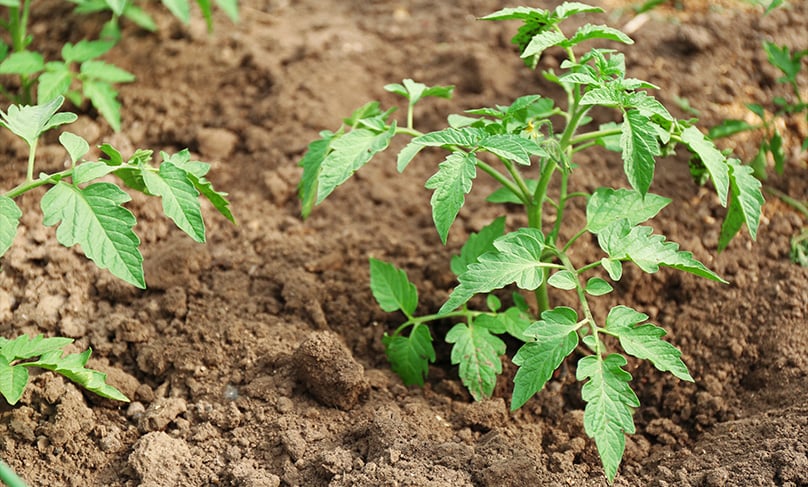
After planting your seedlings, you’ll need to put up a trellis or some supporting structure to carry the weight of the plant as it grows. Tomato plants can’t support themselves, so it’s up to the gardener to stop the plant from collapsing under its weight.
If you leave your tomato plants on the ground, there a higher chance that disease will ruin your crop. Before you transplant your seedlings into the soil, move them outdoors for a week in a shady area to help them harden.
Plant the seedlings 2-feet apart from each other to prevent them from overgrowing into each other. Its best practice to install your tomato cage or stakes while the plants are still small. This strategy helps you avoid damaging the roots later on in the growing season.

The difference between staking and using a cage is that stakes keep the fruit off the ground while a cage allows the plant to grow upright. Remove the bottom sets of leaves from your tomato when planting, and backfill the soil until you cover the first leaf nodes of the plant.
If you’re dealing with leggy tomato plants, bury up to two-thirds of the plant in the soil. The tomato plant will grow roots from the stems as long as they remain under the soil surface. Remember to water your plants thoroughly after transplanting to avoid root shock and reduce stress to the plant.
Growing Your Tomatoes in Containers
If you’re growing your tomato plants in containers, then we recommend you use a material pot. Materials pots allow better airflow to the roots, resulting in bigger yields during harvest time. Material pots also provide excellent soil drainage for your root system, preventing the plant from developing “wet feet.”
If you don’t have materials pots on hand, then make sure that your traditional container has plenty of holes in the bottom for adequate drainage. You might need to drill more holes into the pot to improve this function.
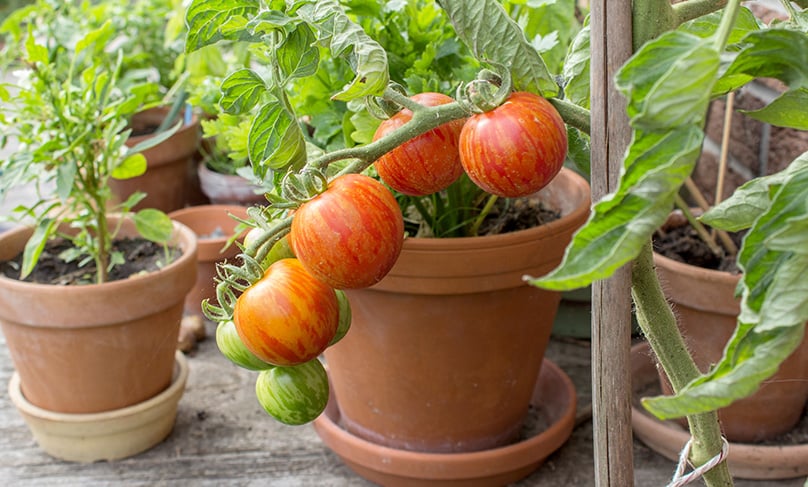
We recommend that you use a loamy, loose potting soil mix with additional organic materials like vermiculite, perlite, and coco coir to help provide aeration in the soil. Plant one tomato plant per pot and you might need to stake the larger tomato varieties or wrap the pot in a tomato cage.
Place your pot in an area of the yard that receives at least six to eight hours of direct sunlight during the day. Remember to keep the soil moist, as tomato plants perish fast when they start to dry out. Containers dry out quickly in warm weather, so check the soil for moisture by pressing your finger 1-inch under the soil surface.

- Instantly feeds to grow bigger, more bountiful vegetables versus. unfed plants
- Feed every 1-2 weeks
- Great for tomatoes and vegetables
- Use with Miracle-Gro Garden Feeder or any watering can
- Safe for all plants, guaranteed not to burn when used as directed
Last update on 2025-11-26 / Affiliate links / Images from Amazon Product Advertising API
Caring for Your Tomato Plants
After transplanting your seedlings into the soil, make sure you water generously for the initial three days to reduce root shock. Water your plants every other day during the growing season, and water deep to create a robust root system in your plants.
We recommend that you water in the early morning. This strategy reduces evaporation and gives your plants the moisture they need on hot summer days. Avoid watering in the late afternoon or evening as the soil will drain overnight and your plants will dry out during the day.
Five weeks after transplanting, you can apply a layer of mulch to give the plant extra nutrients. Tomatoes require nutrient-dense soil to produce large fruit. Make sure that you remove all the weeds from the garden to enhance growth.
If you’re using a staking system prune your plants by removing the side stems so that only the main top branches grow. Tie off your branches to the stakes using gardening twine, and remember to leave a gap for the stems to grow.
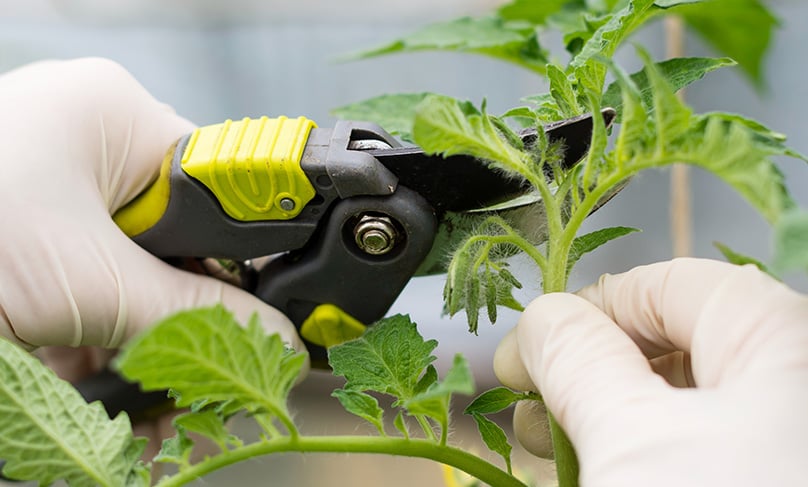
As your plants grow, prune all of the lower leaves from the bottom 12-inches of the plant. Rain splashes may transfer from the ground to lower leaves, causing rot and the onset of disease in your tomato plants.
It’s an excellent strategy to rotate your crops every season. Rotating gives your soil time to replace the nutrients in the ground and ki8ll off any pathogens that overwinter in the ground.
Pests and Diseases Affecting Your Tomatoes
Tomatoes are sensitive plants predisposed to pests. The most common pest found in tomato crops is whitefly and hornworm. Other bugs that are interested in devouring your tomato crop include flea beetles and aphids. Tomato plants are also at a high risk of developing blossom-end rot as well.
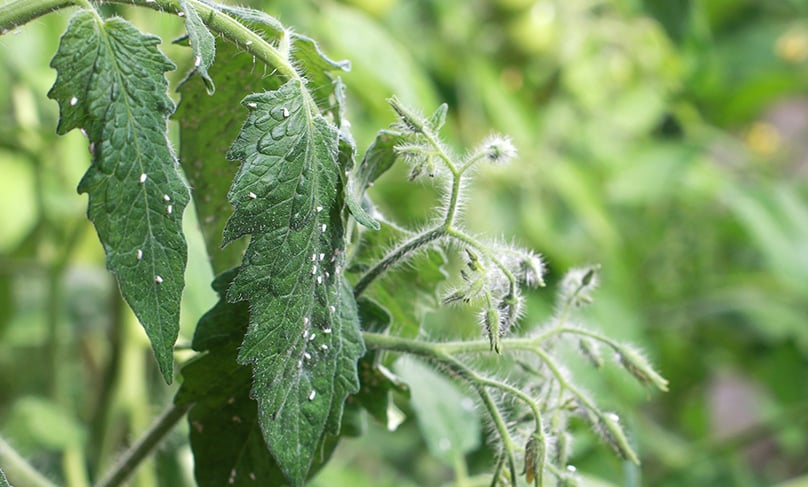
Late blight is the most common fungal disease affecting tomato plants, causing a grey mold to develop on the fruits and stems, turning them brown. If your garden is experiencing persistently damp and cold conditions, make sure you check for blight daily. Blight overwinters in the soil, returning to infect your next crop.
Mosaic virus is also another disease affecting tomato plant. It stunts the early development of the stems, causing them to twist and distort, leaving foliage mottled and yellow. Throw all infected plants away in the trash, as this disease will thrive in your compost heap.
Harvesting and Storing Your Tomato Crop
It’s essential to leave your tomatoes on the plant for as long as possible. If you start to experience the fruit cracking, then you are either watering too much or adding too much fertilizer.
Pick your tomatoes when they are red, ripe, and ready to eat. Avoid leaving tomatoes on the window sill to ripen. This strategy may result in the fruit rotting before it turns ripe.
If any tomatoes fall off of the plant before they are ripe, put them in a brown paper bag and store them in your root cellar. Avoid irrigating your tomatoes as it removes some of the flavors. The fruits don’t freeze well, and their skins may slip off after defrosting.

7 Comments
Great Post! Thanks for Sharing.
Know more about how to grow tomatoes with E-Agrovision.
My dad lives on a sail boat in mobile he has a cherry tomato plant that sits on the dock all the time.well they left and took the plant with them sailing.the plant would put out 15 to 20 a day but when they left for 8 days sailing nothing not one they got back the plant went back to 15 to 20 a day.does anyone know why?
My guess would be shock. It’s probably from too much/little sun, different humidity, etc. The plant gets used to things in one place. Then, it goes through change every day when it’s on a boat until it comes back. Then, it knows it’s ok and starts to produce again. Anyway, that’s my guess.
Lower leaves are turning yellow. They have good drainage and are mulched. Maybe not enough ferterlizer??
Well there should be proper dosage of watering to plants also not to water to foliage or leaves as it may turned to yellowing and may get other diseases too.
Good guide on growing tomato! 🙂
Great work! It will be beneficial for newbie gardeners like me. But I have a question, Is it a good idea to grow tomatoes in a bit acidic soil?