

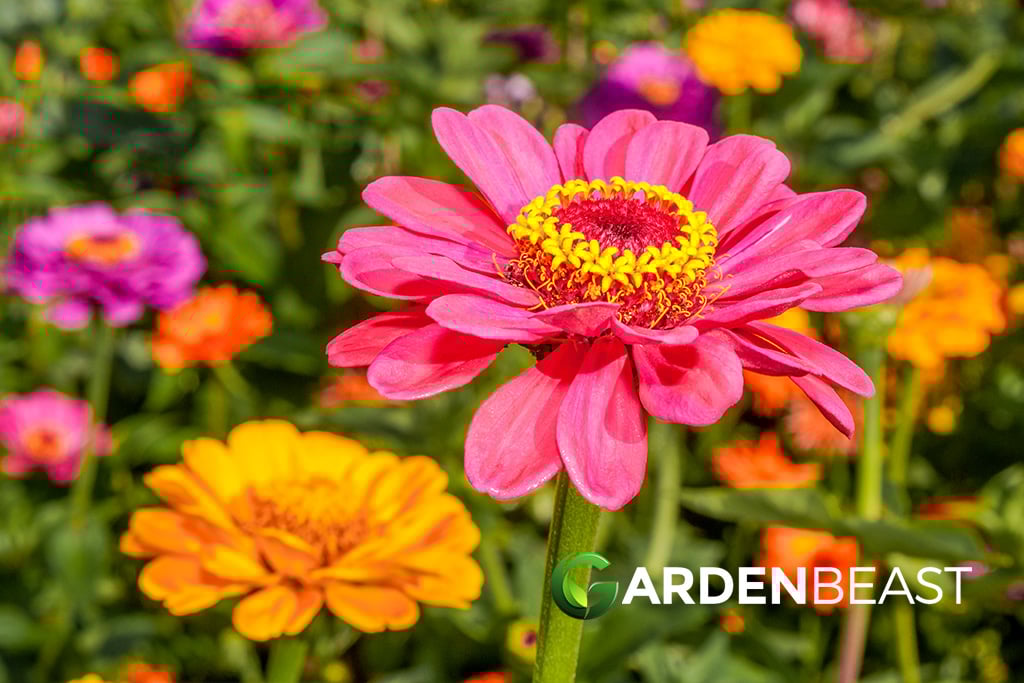
Zinnias are the easiest annuals to grow, as they are low-maintenance, grow quickly, and bloom heavily. They are an excellent choice for first-time flower growers and for anyone who wants to add a splash of color to their garden. Moreover, they produce long-lasting flowers that will delight you from mid-summer until the first frost.
These delightful flowers will create an explosion of color in your garden, as well as attract butterflies and hummingbirds. They are great if you want to have cut flowers with a perfect bloom of different colors, shapes, and sizes. Besides becoming a centerpiece in your garden, Zinnia Elegans can also bring to life a dull corner of the house.
Native to South America and Mexico, Zinnias are part of the Asteraceae family, meaning they are plant relatives to sunflowers, marigolds, and daisies. In their native environment, Zinnias are perennials but are widely grown as annuals all over the world. Although there are many varieties of the genus, Zinnia Elegans is the most popular and easiest to find in nurseries. This variety has very long and strong stems, making it a great cut flower.
If you’re already sold on Zinnias, or if you want to find out more about this easy-to-grow plant, keep on reading below.
About Zinnia Elegans
- Zinnias are the best summer cottage flowers. They bloom profusely, tolerate drought conditions, and re-seed themselves easily.
- Although Zinnia Elegans plants can be grown in most USDA hardiness zones during the summer, you may struggle with them if you live in an area with cold and wet summers, as powdery mildew can form on the leaves.
- If you want to start zinnias indoors before the last frost, it’s recommended to grow them in a peat pot. This will allow you to move the plants into the garden without damaging their roots.
- Zinnias get their name from the famous German botanist Johann Gottfried Zinn who wrote the first description of the plant.
- In the language of flowers, Zinnia symbolizes friendship. The Zinnia plant was the state flower of Indiana from 1931 to 1957.
- Once, Zinnias were called “youth and old age” plants because their old blooms stay fresh as new ones open. Also, there was a time when people considered them small and ugly. Spanish people who saw them in Mexico named them “mal de ojos”, meaning sickness of the eyes.
- When Zinnias were first brought to Europe, they were considered “everybody’s flowers” or “poorhouse flowers” because they were so available and easy to grow.
Zinnia Elegans Features: An Overview
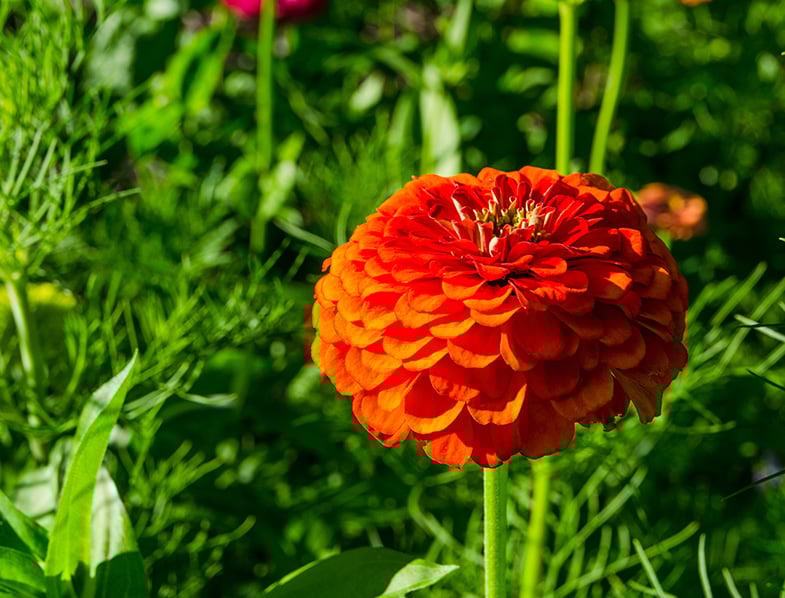
- Zinnias come in all colors and shapes. Most cultivars have daisy-like flowers with single layers of long petals. Some have double-layered petals growing around a black or orange center, while others are shaped like pompoms. The flowers are between 2 inches (5 cm) and 3 inches (8 cm) in diameter.
- The Common Zinnia is a versatile plant that flowers in a wide range of colors, including yellows, pinks, lavenders, reds, and greens. Because they attract monarch butterflies, bees, and hummingbirds, they help pollinate your garden.
- Zinnia Elegans has lance-shaped, narrow leaves that have a sandpaper rough texture. They are oppositely laid out on the stem.
- Zinnias can grow up to 4 feet (120 cm) tall and include single and double blooms, depending on the variety. Full sun conditions will help the plant bloom more.
- If you don’t have a garden, you can still grow Zinnias. There are smaller, creeping varieties that grow up to 8 inches (20 cm) tall. Z. angustifolia is one of the varieties that work best in containers or perennial beds.
- To keep your zinnias blooming, you have to keep cutting them. You can place the cuttings in a vase when they first open. Also, you must cut the deadheads off the plant after they fade to encourage more blooming.
- According to the Chicago Botanical Garden, gardeners who want to avoid deadheading their Zinnias should choose specimens of the Zahara series. Double Zahara Fire and Coral Rose varieties are self-cleaning and also resistant to mildew.
Growing Zinnia Elegans
If you’re looking to add some color to your summer garden, Zinnia flowers are an excellent choice. Although they are normally grown as annuals, they can survive the winter in USDA zones 9 to 11. However, in these areas, you should plant them where they can get some protection from the hot afternoon sun. Another thing we love about Zinnias is that even if they die during the winter, they will reseed themselves so you can enjoy them every year.
Keep in mind that all Zinnia varieties grow best when they receive plenty of sunlight. If they get enough sun and heat, they will grow fast and bloom profusely. They might not do well indoors, but you can try placing them close to southern facing windows. To make sure you get a ton of beautiful blooms, cut spent flower heads. Pinch young plants to promote branching if you are not growing them for cut flowers that require longer stems.

Plants that are killed by frost must be removed to prevent diseases from appearing the following year. Taller varieties can benefit from staking, especially if you live in a windy area. Make sure you keep weeds under control during the growing season, as they compete with the plant for nutrients and space. Zinnia Elegans plant can be prone to several types of fungal diseases, including Alternaria leaf spot, leaf rot, bacterial wilt, and powdery mildew. These can be prevented by keeping the leaves of the plant dry and occasionally applying a fungicide.
It is recommended to space out your Zinnia flowers to promote good air circulation. Mealybugs, spider mites, and caterpillars can also cause problems. If there is little leaf damage there is no need to take measures. Unless it’s a true infestation, avoid spraying the plants. Instead, pick them off by hand or wash them off with a garden hose or a spray water bottle.
Planting Zinnia Elegans
You can plant common Zinnias together with other summer-blooming annuals or among perennials. It’s best to place Zinnia Elegans flowers in areas that will get at least 6 hours of sun every day. Space them 4 inches (10 cm) to 24 inches (60 cm apart), based on the variety.
Plant multiple rounds every two weeks, starting May through early July. This will ensure that they continue to bloom until the first frost of the fall. Flowers will bloom sometime in June. If you want them to bloom earlier, start the seeds indoors four weeks before the last frost. Try peat pots or biodegradable containers that can be planted directly into the ground.

- 524 PREMIUM SEEDS – BRILLIANT COLOR, FAST GROWTH: This large pack includes 524 USA-packed, high-germination Zinnia Dahlia seeds that bloom into stunning double flowers in red, pink, orange, white, and more. Easy to grow, beginner-friendly, and perfect for bouquets, borders, and containers. Blooms in just weeks and lasts all summer!
- A TRUE GARDEN ARISTOCRAT WITH STRIKING FORM: Zinnia Dahlia is a radiant floral showstopper, beloved for its uniquely bold shape and opulent floral structure. Each bloom evokes a sense of floral nobility with plush, layered petals arranged in a near-geometric sphere. This variety of zinnia has earned its place among the top ten most cherished garden flowers, widely appreciated across the United States and beyond.
- RED FOR EXCEPTIONAL COLOR, SHAPE, AND VARIETY: Decades of horticultural development have resulted in this magnificent line of Zinnia Dahlia seeds. Carefully selected to represent the best of modern breeding, this variety offers a visual spectacle of rich tones and impressive structure. The blooms are large and fully double, featuring countless tightly arranged petals that radiate with saturated color. Each flower opens like a celebration—vivid, elegant, and unforgettable.
- EXPLOSION OF COLOR IN EVERY PLANT: This seed mix produces a stunning range of shades including snow white, coral, salmon pink, lavender, purple, bright orange, cream-yellow, cherry red, scarlet, deep crimson, and plum. Two-toned blooms with dramatic edging offer even more visual interest. Whether planted in clusters or as a standout specimen, Zinnia Dahlia puts on a breathtaking display all summer long.
- LARGE PACK FOR FULL GARDEN COVERAGE: Each seed pack includes approximately 524 premium Zinnia Dahlia seeds, giving you enough to plant a wide area—ideal for garden borders, flower beds, or large landscape designs. Enjoy continuous blooms and a high return on planting. This makes them an ideal value choice for mass planting or sharing with friends and family.


- STUNNING BLEND OF SIX VIBRANT COLORS FOR ANY GARDEN – The California Giant Mix offers large, double blooms in a radiant mix of red, yellow, orange, lavender, pink, and white. These zinnia flower seeds create a captivating display in flower beds, borders, and outdoor spaces, adding bright, bold colors to any garden. Perfect for new and experienced gardeners alike, these blooms provide a vivid focal point that enhances garden aesthetics all season long, from early summer until the first frost.
- IDEAL FOR BEGINNERS WITH EASY GROWTH AND MINIMAL CARE – These flower seeds to plant outside are perfect for gardeners of all levels, thriving with minimal care and making gardening easy. They germinate in just 7-10 days and reach full bloom within 75-90 days, requiring little more than occasional watering. Once established, they’re drought-tolerant and resilient, making them ideal for those seeking beautiful blooms without constant maintenance. Enjoy a hassle-free garden brimming with color.
- LONG-LASTING BLOOMS FROM LATE SPRING TO FIRST FROST – The California Giant Zinnias provide vibrant color all season, blooming continuously from late spring until the first frost. These wildflower seeds create an unbroken display of lively hues, perfect for maintaining an eye-catching garden throughout the warmer months. With large, double blooms that stay fresh for months, they’re ideal for gardeners looking for long-lasting beauty in flower beds, borders, or even container gardens.
- ATTRACTS BUTTERFLIES AND BEES FOR A THRIVING GARDEN ECOSYSTEM – These zinnia flower seeds support garden biodiversity by attracting essential pollinators, like butterflies and bees, to your garden. Perfect for creating a pollinator-friendly space, the bright and bold blooms of the California Giant Zinnia Mix offer a steady supply of nectar, encouraging beneficial insects to visit. Enhance your garden’s ecosystem naturally while enjoying the beauty of these pollinator-attracting flowers.
- TALL, STURDY STEMS PERFECT FOR CUT FLOWER ARRANGEMENTS – Growing up to 3-4 feet tall, California Giant Zinnias are prized for their large, sturdy blooms that reach 5-6 inches in diameter. Their tall stems and vibrant colors make them excellent for creating beautiful cut flower arrangements, adding a pop of color to any indoor space. These zinnia seeds bulk provide ample blooms for fresh, colorful bouquets all season, making them a favorite for both gardeners and floral enthusiasts.

- VERSATILE PLANTING: Perfect for garden beds, borders, containers, and both indoor/outdoor growing environments
- SEED COUNT: Package contains 999 premium Zinnia Elegans flower seeds for multiple planting seasons
- GROWING CHARACTERISTICS: Annual flowers that produce bright, long-lasting blooms throughout the growing season
- VARIETY TYPE: Non-GMO heirloom Zinnia seeds that maintain their original characteristics generation after generation
- GARDEN PLANNING: Excellent choice for creating colorful flower displays, cutting gardens, and attracting pollinators to your garden
Last update on 2025-11-30 / Affiliate links / Images from Amazon Product Advertising API
Zinnias are not too fussy when it comes to soil conditions, although the perfect soil would be well-drained and rich in organic matter. The ideal pH should be between 5.5 and 7.5. If the soil is enriched with compost, your Zinnias will grow more quickly. A light, balanced fertilizer can be applied after new growth appears. Apply one pound (450 grams) per 100 square feet (30 square meters) early in the spring. Fertilize often and regularly to encourage lush, vibrant blooming.
Make sure the granular fertilizers do not touch the plant’s crown or foliage to avoid burns. To prevent root rots, use a slow-release fertilizer. Shorter Zinnia varieties are ideal for containers. These should be planted in commercial potting mix, instead of garden soil. Container grown plants require extra fertilizer and water.
Watering Zinnia Elegans
Common Zinnias should be well-watered during the growing season, especially if you live in areas that experience dry spells. Normally, Zinnia plants need approximately 1 inch (2, 5 cm) of rain per week. Although these plants can tolerate drought conditions, they will thrive with consistent moisture in the soil.
However, excessive moisture can damage Zinnias, so use a rain gauge to check if your plants need more water. Make sure to water at the base of the plant only, as watering the foliage can cause fungal disease. Keeping the leaves dry is essential if you want to have happy and healthy Zinnias. It’s best to water with a trickle system or a drip that delivers water at low pressure at soil level. If you want to use sprinklers, water early in the day so the leaves have time to dry before nightfall. Mature Zinnias require less watering than young plants.
Propagating Zinnia Elegans
Many gardeners like to get a head start on their Zinnias by starting seeds indoors one month before the last frost. These fast-growing plants normally take 60 to 70 days to turn from small seeds into beautiful, colorful flowers. However, some gardeners find it easier to sow the seeds directly into the garden.

The seeds are quite easy to save from mature plants. Simply allow the flowers to dry on the stem, and then proceed to remove them by gently crushing the dried seed head. Store them in a cool, dry place and plant them the following spring. Unfortunately, some hybrid varieties will not develop seedlings that are true to the mother plant. Sow the seeds ¼ inch (0,6 cm) deep and about 12 inches (30 cm) apart. When the seedlings are about 3 inches tall (8 cm), thin them out even more. Keep the soil evenly moist. Zinnias grow quickly, so germination will occur in approximately 5-7 days.
In Conclusion
Zinnia Elegans are among the easiest annuals to grow, making them an excellent choice for first-time flower growers. Zinnia flowers bring an explosion of vibrant colors wherever they go. Their white, pink, red, green, and lavender blooms can bring life to any garden or dull corner of the house.
Another compelling reason to plant Zinnias is the fact that they attract butterflies, bees, and other insects which help pollinate the garden. No matter what variety of Zinnia you choose, it will need well-draining soil, plenty of light, and water. With proper placing and care, Zinnia plants will grace your home and garden with beautiful blooms until the first frost.
